The development of plastics could be described as a turning point in human history, and few would argue that the variety of cheap, durable plastic goods, from Tupperware and PVC pipes to single-use medical products, has made our lives easier and better. But the problem is that plastic is FOREVER. Very little of the plastic produced in the last 100 years will ever be recycled. I recently read that the UN estimates that most of the 400 million metric tons of plastic produced annually will continue to exist on earth in some form for hundreds of years to come. And we know from the law of entropy things are constantly degrading, which means that this plastic, is constantly breaking down into very small pieces. About 20 years ago, marine biologist Richard Thompson began finding tiny pieces of plastic in the ocean which he named ‘microplastics’.
Researchers are now starting to link micro- and nanoplastics to heart and lung diseases, among other things. What I find extremely worrying is that these tiny pieces of plastic are everywhere – in the water we drink, our food and even the air we breathe. Unfortunately, microplastics are now so widespread that it is almost impossible to avoid, but we can reduce our exposure to this form of plastic. Here are my top ten tips to reduce your exposure to microplastics.
1. Stop buying bottled water
According to researchers, bottled water may be one of the biggest sources of microplastics in our day tot day life. A 2024 study showed that bottled water contains much more microplastic than tap water. In a country where we are not always sure about the quality of our tap water a NSF-certified water filter might be the best alternative we have to drinking bottled water.
2. Opt for non-plastic storage alternatives
When it comes to storing and especially heating food glass containers are your best bet. A beeswax wrap is another great alternative to plastic storage options. They work especially well for storing cheese, sandwiches etc.

3. Avoid reusing single-use plastic for food and drinks
Avoid reusing plastic take-out containers, breast milk bags and plastic soda bottles. Research suggests that when reused, single-use plastic can release microplastics and harmful chemicals into food and drinks.
4. Don’t heat plastic
Even if it says microwave-safe, don’t heat food or water in plastic containers.
5. Wash plastic by hand
The hot water dishwashers use can break down plastic – even plastic that says dishwasher-safe – which can lead to the release of microplastics into our water. Try hand-washing your plastic containers in cooler water instead.
6. Replace your plastic cutting boards & cookware
Some research suggests that plastic cutting boards are a significant source of microplastics in our diet, as repeated use creates tiny bits of plastic that mix with the food we cut on them. Rather opt for wooden or bamboo boards. Wooden cutting boards have other benefits too – they are better for your knife blades and last longer than plastic cutting boards when cared for properly. Also consider replacing your plastic spatulas and spoons with more natural alternatives. My non-stick pans are another thing I’m systematically trying to replace with ‘healthier’ alternatives.

7. Avoid synthetic clothing, bedding and toys
A surprising amount of clothing is made from plastic. These synthetic fabrics, such as polyester, rayon, nylon, and acrylic, are all created using chemical processes. Research shows these fabrics can release harmful microplastics which can be inhaled. To avoid these synthetic fabrics, many people are opting for household items and clothing made from natural fibres – such as cotton, wool, hemp, and bamboo. Toys made from wood and other natural materials are also great alternatives to plastic ones.
8. Drink tea differently
According to researchers plastic tea bags can release billions of particles of plastic into your cuppa. Consider replacing your tea bags with loose-leaf tea.
9. Pay attention to ingredients
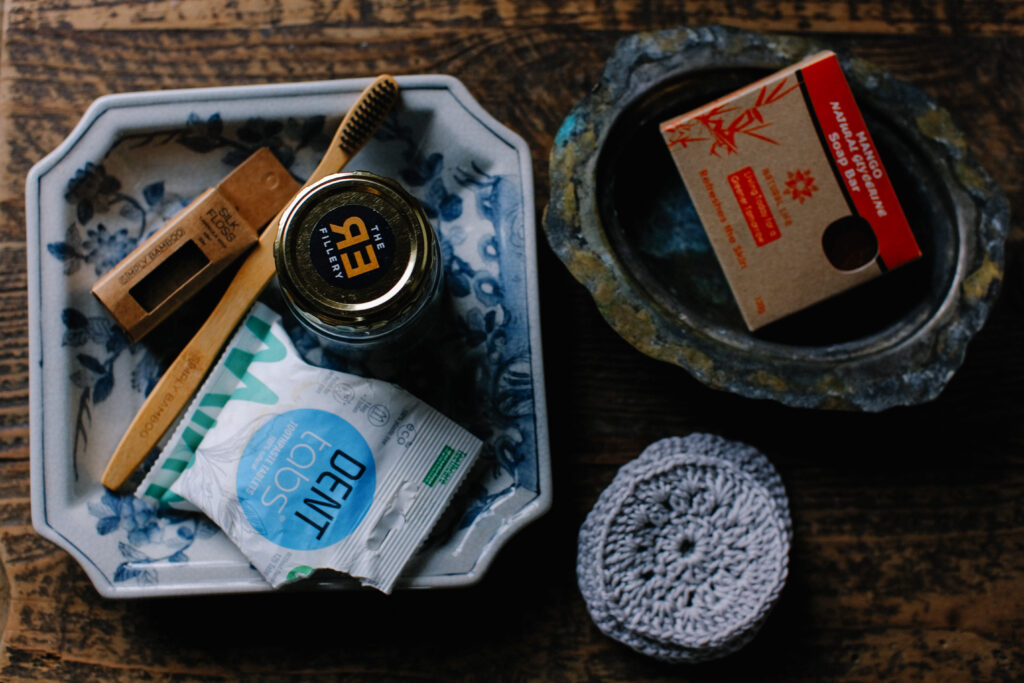
Take time to read the information on product packaging, especially the ingredients of personal care products. Avoid skin care products and toothpastes that contain polyethylene (PE), polypropylene (PP) and other plastic ingredients.
10. Think differently about carpets
Another sensible swap is to replace your synthetic carpets with natural fiber carpets – this is especially important if you have small children or pets who play on the carpet and can potentially inhale the microplastic particles released by the carpet.
xxx