Somehow, food migrates to the back of our fridge’s shelves, where it goes rotten unnoticed. I feel embarrassed about how often I have to throw away food that has ‘migrated’ to the back of our fridge.
September 29th is the International Day of Awareness of Food Loss and Waste. This day aims not only to raise awareness, but also to encourage people to make better use of food and reduce waste.
Recent estimates show that a shocking 19% of food available to consumers — equivalent to 1.05 billion tonnes— is wasted or discarded by retailers, food services, and households. That is nearly one-fifth of all food that reaches the end of the supply chain (United Nations Environment Programme, 2024).
To me, the most shocking fact is that a staggering 60% of food waste occurs in households (UNEP, 2024). This is happening while one in thirteen people worldwide went hungry in 2025 — between 608 and 696 million people (approximately 8% of the global population). In addition, an estimated 2.1 billion people (25 percent of the global population) experience moderate to severe food insecurity.
Although I struggle to wrap my head around these figures, the one thing they convince me of is that I am part of the problem. Food waste by consumers is not limited to developed countries either; it is a global challenge. Considering that the largest percentage of food waste occurs in households, a few simple changes can make a big difference.
What can we as consumers do?
* Plan your food purchases and do not buy more than you need. Be careful of the ‘buy two, get one free’-trap. We often buy that bargain even though we know that the third bag of vegetables is going to go to waste. If you do bring the third bag home, share it with friends, freeze or preserve it.
* Shop thoughtfully and be sure to store fresh food correctly to extend its shelf life.
• Pay attention to the “use-by” and “best before” dates on food labels, especially when buying highly perishable food.
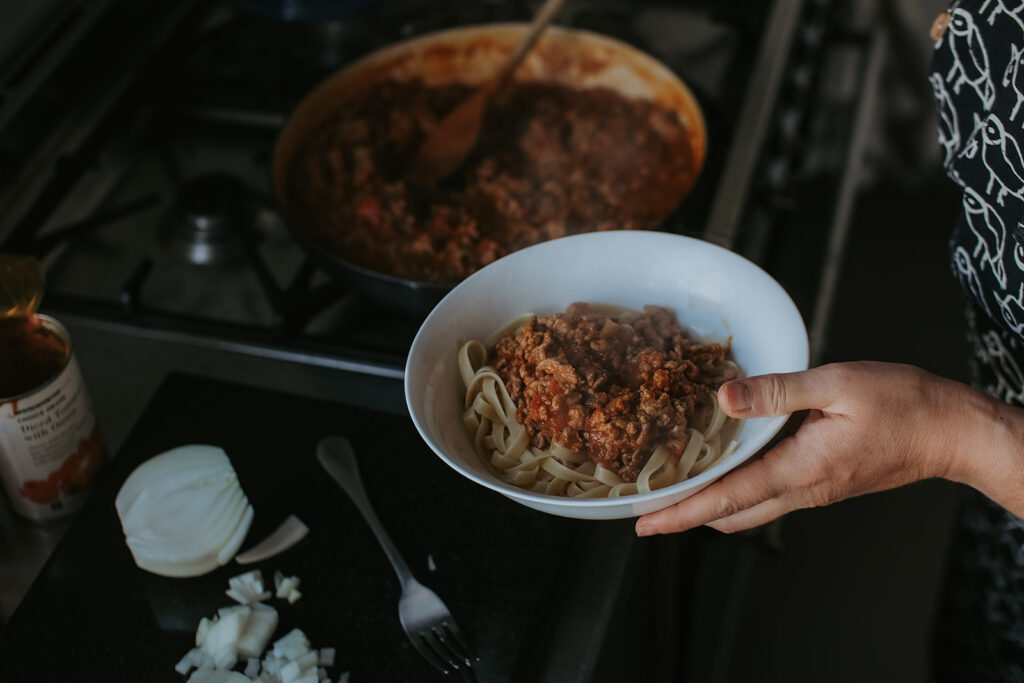
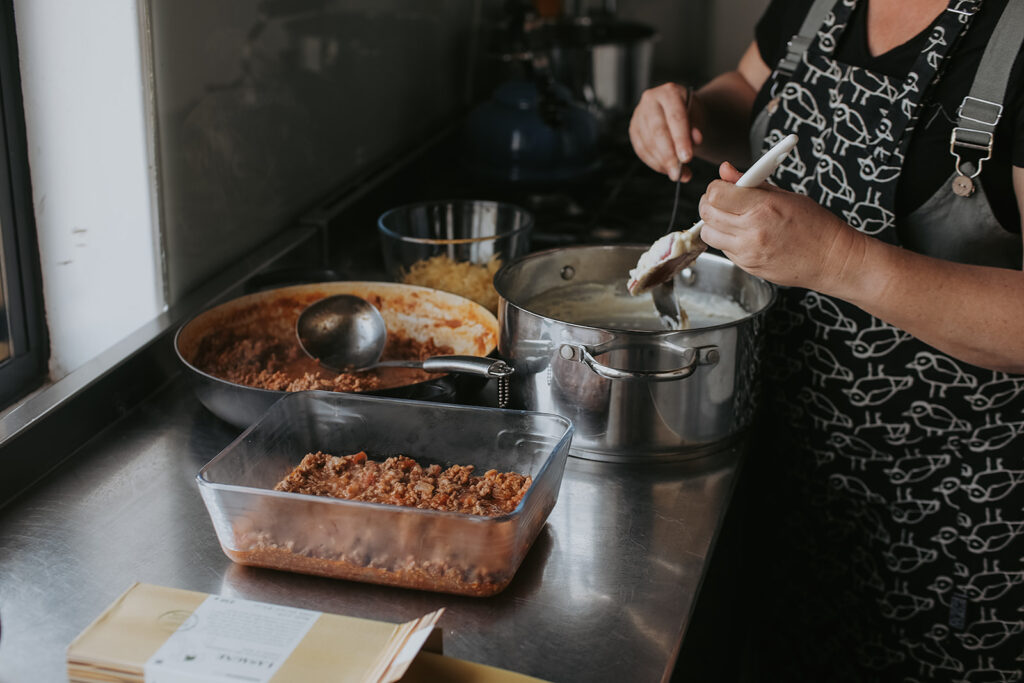
* Think smartly about the meals you prepare and the ingredients you have. For example, if you have leftover mince from spaghetti bolognese, turn it into lasagne the following evening.
* Measure portion sizes when preparing meals. Freeze or share leftovers.
* Get yourself a compost heap or worm farm where you can compost food that is starting to go bad.
* Participate in community initiatives to recover surplus food and support food redistribution.
* Speak out on social media and help raise awareness about food waste.
xxx